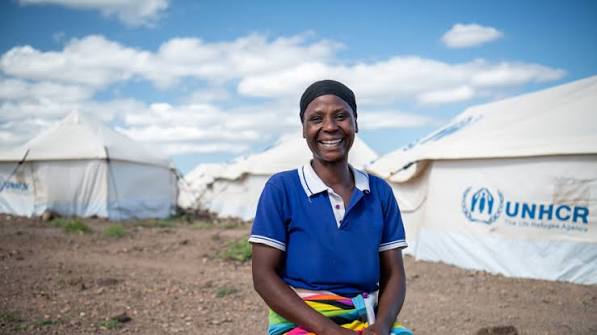
Realizing the role of journalists and media as we celebrate World Refugee Day.
According to World Health Organization —World Refugee Day is an international day designated by the United Nations to honor refugees around the globe. It is celebrated on a 20th of June yearly and honor’s the strength and courage of people who have been forced to flee their home country to escape war, conflict or persecution.
Themed solidarity with refugees this year, this day is preponderant as it shines light on the rights, needs and dreams of refugees facilitating the mobilization of resources so that refugees can not only survive but also thrive. While it is vital to protect and fight for refugees each day, this day helps focus global attention on the plight of those fleeing war, conflict among other reasons. Many activities are held this day to create opportunities and help the refugees. Refugees can include asylum seekers, internally displaced people, stateless people, religion or political affiliated and hunger or war refugees.
World Refugee Day was held globally for the first time on 20 June 2001 to commemorate the 50th anniversary of the 1951 Convention relating to the Status of Refugees. It was originally known as Africa Refugee Day, before the United Nations General Assembly officially designated it as an international day in December 2000. This is according to Jesuit Refugee Service (JRS) and that each year, this day is marked by a variety of events and activities by many countries across the globe. These activities are coordinated and participated by the refugees themselves, government officials and ministries, hostel communities, companies and school children among others.
A study by UNHCR - The UN Refugee Agency estimates that 123 million people have been possibly and forcibly displaced worldwide. Across Africa, 36 million people fleeing war, conflict and persecution. Kenya today hosts more than 700 thousand refugees and asylum seekers. Behind all this are children, families and students longing to be heard, seen and welcome. This is where the media comes to play. Journalists and communication practitioners are paramount in ensuring that information— free from biases and prejudices is well delivered to different people in different locations. This can involve intentionate crafting of stories which seek to elucidate and educate citizens in different countries on refugee rights and freedoms.
Creatively using the art of storytelling can be instrumental in evoking sympathy and calling for action and responsibility —especially for governments to assist and protect the refugees. Pointing out the challenges affecting refugees, for example diseases as a result of overcrowded settlement in their camps, poor healthcare and education and limited legal protection can be crucial in fostering change and calling for action. Journalists can serve as watchdogs, reporting on any cases or issue of violence, ill-treatment and misconduct by both the public and government organizations. An article on Refugees and the Media by UNESCO stress that Investigate reporting is paramount especially in taming and exposing corrupt leaders who take advantage of donations, funds and resources meant for the refugees and using them for their personal interests.
Additionally, the media should address the challenges faced by those people who are forced to flee their countries. The media is important as it should inform them of the need to exercise their rights to information and to freedom of expression. This will ensure that they can be able to make informed choices and independent judgments, based on factual, impartial information. Through media’s framing and priming of refugees’ matters, public perception on how people view refugees can be positively changed.
In conclusion, the role of media in advocating and campaign for rights and refugees cannot be understated. Ethical and factual reporting by journalists and communication practitioners is key to bringing accuracy and accountability in the society. Governments form diverse countries should collaborate and come up with decisive measures to ensure they fully address the challenges faced by refugees. This will foster a culture where each and every member in the society will feel involved and appreciated.