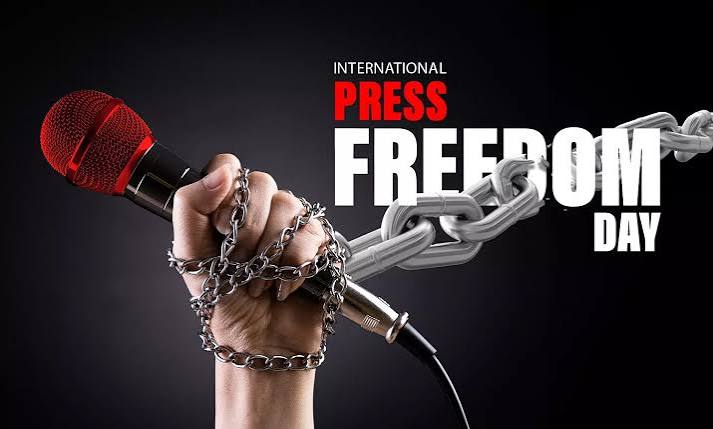
Ensuring ethical reporting and accountability as we reflect on Press Freedom
World Press Freedom Day, celebrated on May 3rd, is essential in reaffirmo and addressing the importance of press freedom across all media platforms. In an age where information is power, the ability to tell stories without government interference is not just a right but it's a cornerstone of democracy.
Press freedom empowers journalists, bloggers, and content creators to explore societal issues, holding those in power accountable. Whether through traditional outlets, social media, or emerging platforms, media practitioners play a critical role in shaping public discourse. Their ability to investigate, report, and disseminate information affects every aspect of our lives, from politics to social justice.
When governments impose restrictions on media, they threaten the very fabric of democracy. Censorship stifles diverse voices and perspectives, preventing critical stories from being told. This is particularly concerning in regions where human rights abuses, corruption, or environmental crises go unreported due to fear of retribution. Journalists must navigate these treacherous waters, often risking their safety to bring the truth to light.
However, with great power comes great responsibility. Media practitioners must commit to ethical reporting, ensuring accuracy, fairness, and integrity in their work. This involves rigorous fact-checking, giving voice to marginalized communities, and actively resisting sensationalism. By adhering to these principles, journalists can foster trust with their audiences, reinforcing the public's reliance on the media as a credible source of information.
Accountability is another crucial aspect of press freedom. Media organizations must be transparent about their processes and decisions, allowing audiences to understand how stories are crafted. This transparency not only bolsters credibility but also encourages public engagement. When people feel informed, they are more likely to participate in democratic processes, advocating for change and holding leaders accountable.
Moreover, the rise of digital media has transformed the landscape of journalism. Social media platforms have democratized information sharing, allowing anyone with internet access to contribute to the conversation. While this can lead to misinformation, it also presents an opportunity for citizen journalism to thrive. By amplifying underreported stories, ordinary individuals can challenge the status quo and demand accountability.
In conclusion, as we reflect on World Press Freedom Day, let us rethink my recognize the vital role of all media practitioners in promoting ethical reporting and accountability. We should safeguard press freedom and ensure that diverse voices are heard and that the truth prevails.