CAN YOU HEAR NATURE CRY: KAKAMEGA FOREST SPEAKS
What if I told you that a walk in the Kakamega forest is like stepping into a surviving fragment of the mighty Congo rainforest, the world's second-largest tropical jungle?
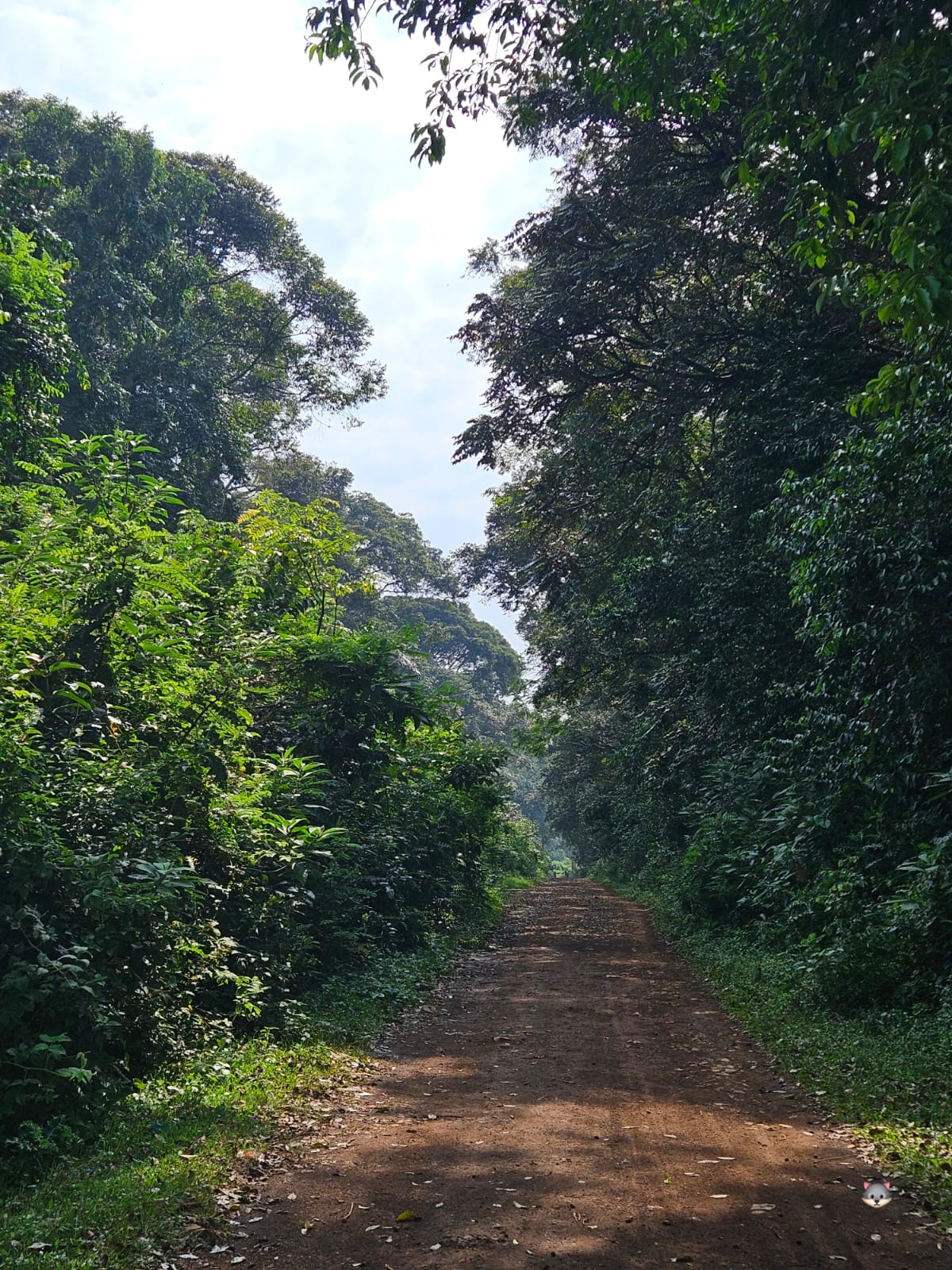
Kakamega Forest is the only Tropical Rainforest in Kenya, a breathtaking jewel full of the most beautiful scenery you will ever witness, tucked away in the Western part of the country. Often referred to as a ‘’living museum. This lush green beauty is a remnant of the vast Guineo-Congolian rainforest that once stretched across Central Africa, making it a place where history, culture, and biodiversity meet. As you step into the forest, all the energy suddenly changes, and you feel much calmer, the air feels cool, and the sounds of exotic birds and monkeys fill the atmosphere, an experience unlike anywhere else in Kenya.
Located in Kakamega County, the forest covers approximately 200 square kilometres. It stands as one of the most important biodiversity spots in East Africa. It is managed under the Kenya Wildlife Service and the Kenya Forest Service, with parts of it gazetted as Kakamega Forest National Reserve. Historically, Kakamega forest was much larger than it is now. It is currently significantly reduced in size due to human settlement, agricultural expansion, and logging, leaving it as a fraction of its original forest. When Queen Elizabeth II visited the forest, captivated by its towering trees and the sense of timeless wonder within its depths, a 700-year-old tree caught her eye and made her recognize its ecological importance.
According to our tour guide, the tree played a pivotal role in highlighting the protection of this gem, which is not only admired for its natural beauty but also noted for the rich minerals that surround the forest. One notable name is Ikholomani in Kakamega North. Its original name was Goldmines during the colonial era, but the local natives of the
Abaluhya dialect had a hard time pronouncing the name; thus, they pronounced it as Ikholomani, and the name stuck. The Queen is struck by its ecological significance with over 1000 plant species, 400 butterfly species, more than 300 bird species, more than 28 snake species, and a rich mammal community including black and white colobus monkeys, bush pigs, and red-tailed monkeys, hosting species that are found nowhere else in Kenya and on one hand, protection meant conserving the forest fragile ecosystem and on the other regulating extraction of minerals like gold. This early recognition of the forest as a national treasure and a resource-rich landscape laid the groundwork for the conservation measures that continue today.
I once called it tree planting, commonly called by people until a colleague corrected me, the art itself is called tree growing, because the work is not just planting, but to ensure that the trees survive and thrive, and not just seedlings. In modern times, Kakamega forest has become a center for tree-growing initiatives, which are aimed at restoring some of its degraded areas and protecting the fragile areas of the ecosystem for future generations. Schools, community groups, and conservation organizations continue to plant thousands of indigenous trees to strengthen the resilience against human encroachment and climate change.
On the 19th August 2025, UNESCO World Heritage Volunteers under the Kenya Voluntary Service Organization (KVSO), accompanied by Eric, representing the headquarters of UNESCO in Paris, Director of KVSO Linus, its programme co-ordinator Kelvin Mutinda, UNESCO Youth Forum Chairman John Linus, Kenya Forest Service officers, energetic team of Volunteers, adding to the spirit and rhythm of the day, the Isukuti dancers led the march with their traditional beats and dances as we made our way through the forest into a reserved section of the forest, where we engaged in tree growing, and it was inspiring to see each individual not only take part but to also grow trees and contribute to conserving Kakamega Forest and leaving behind a legacy for the future generations.
The rhythm set by the Isukuti dancers made the day memorable. The fast-paced dance is a tradition of the Isukha and Igakho sub-tribes of the Luhya community in Western Kenya. It derives its name from the iconic Isukuti drums, a set of three drums that play in unison to produce an energetic beat that drives both the dance and the song that accompanies it. Beyond its entertainment, Isukuti is deeply cultural as UNESCO inscribed the Isukuti dance on the representative list of the Intangible Cultural Heritage of Humanity in 2014, ensuring that it is preserved throughout the years, and Isukuti dancers are called upon sometimes to perform their dance outside Kenya and display their culture worldwide. It takes a deeper meaning when they perform during the tree growing, it shows how they blend tradition with environmental stewardship, and also serves as a cradle of living culture.
A good point of view that I got to learn during my time visiting Kakamega forest, now designated as a UNESCO World Heritage Site, it benefits from both global recognition and support, ensuring that Kenya's only tropical rainforest is preserved for future generations. This mission is achieved through the collaborative approach that brings together the Kenya Forest Service (KFS), the Kenya Wildlife Service (KWS), community-based organizations, and International partners such as UNESCO. The forest is safeguarded as a national reserve, and ongoing conservation efforts, which include tree-growing programs with the main aim of restoring degraded areas.
All in all, Kakamega forest stands as a gem in Kenya, displaying Kenya's rich natural and cultural heritage with the most beautiful scenery on earth that you will ever see. From its biodiversity and cultural traditions like the Isukuti dance and International stakeholders, the forest does continue to inspire pride and responsibility among all who get the chance to encounter it. Protecting is not just about trees and animals, but also about safeguarding a legacy that belongs to both the present and future generations.
Back in high school, I had the chance to visit Ol Jogi conservancy, where I saw the only bear in Kenya brought in from Russia. The experience left me with a thought after I left Kakamega Forest that still lingers today; if a bear can be brought all the way from Russia, a snow-covered climate, and survive in a hot climate in Kenya's arid areas, could Kenya one day also host a Gorilla from the rainforest of DRC or Rwanda? But as Kanye West said after he won the Grammy ‘’I guess we will never know.”
Written by
Muthini Ernest Lawrence
Back to Articles
CAN YOU HEAR NATURE CRY: KAKAMEGA FOREST SPEAKS
comms@jsak
September 14, 2025